The Man Behind Iran's Viral Lego-Style AI Videos: Propaganda or Art?
In recent months, a series of peculiar AI-generated videos have been circulating across social media platforms, depicting Iranian military operations and political narratives in a distinctive Lego-like aesthetic. These videos, which blend childlike animation with serious geopolitical messaging, have sparked intense debate about the intersection of artificial intelligence, propaganda, and artistic expression.
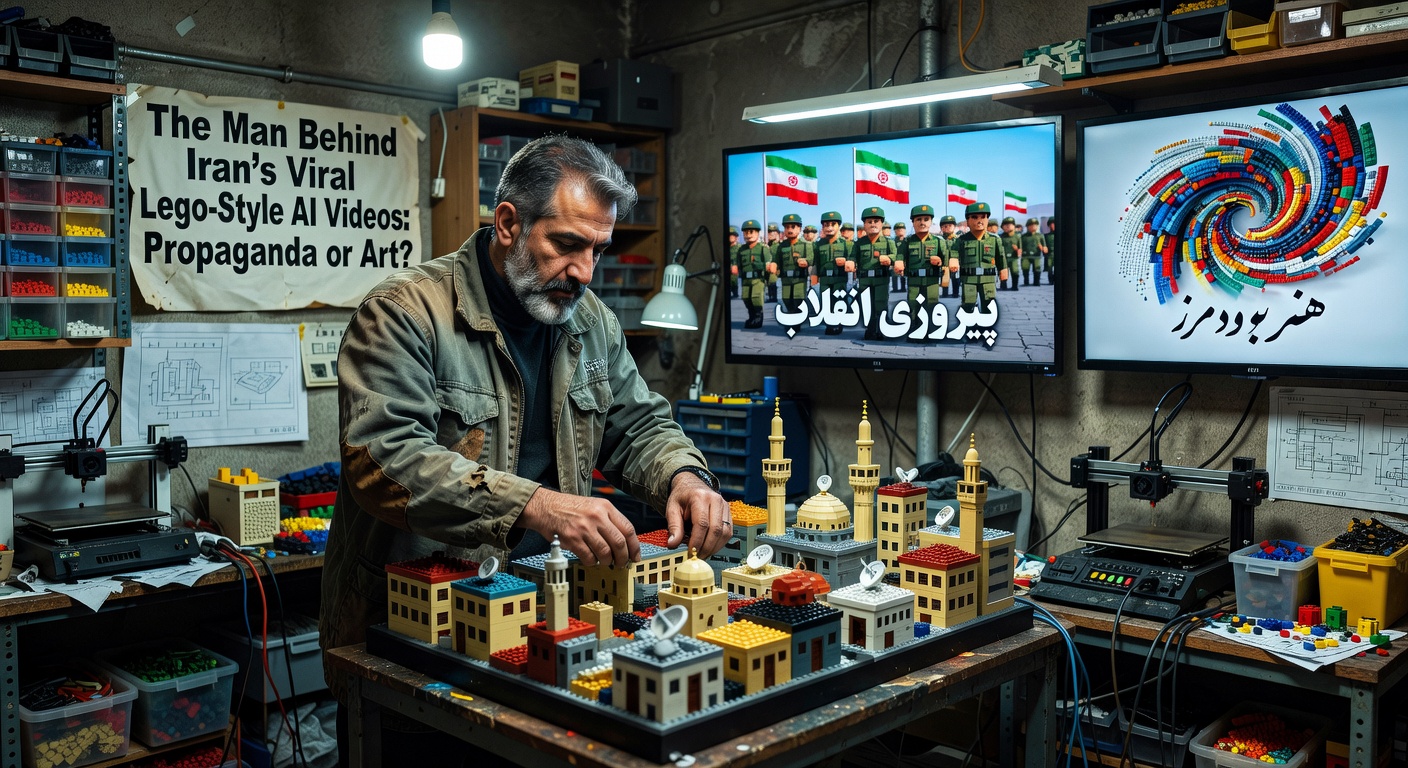
Who's Creating These Videos?
The creator behind these viral sensations remains somewhat enigmatic, though investigations have traced the content back to accounts affiliated with Iranian state media networks. What makes these videos particularly intresting is their unique approach - using AI tools to generate content that looks almost like a children's toy commercial, but carries heavy political undertones about regional conflicts and military capabilities.
The Aesthetic Choice
The Lego-style visualization isn't accidental. By presenting serious military content through a playful, blocky aesthetic, the creator achieves several things simultaneously:
Propaganda or Legitimate Art?
This question has divided observers. On one hand, the videos clearly serve a propagandistic function - they promote specific political narratives favorable to Iranian state interests, depict military actions in a sanitized manner, and often contain messaging that aligns with official government positions.
However, defenders argue that all political art contains elements of persuasion, and that the creative use of AI technology represents a legitimate form of digital expression. The technical skill required to produce these videos, combined with their aesthetic coherence, suggests more than simple propaganda production.
The AI Technology Factor
What's particularly noteworthy is how accessible AI video generation tools have become. The creator likely uses platforms like Runway, Pika, or similar services that have democratized video production. This raises important questions about how nation-states might leverage consumer-grade AI tools for information campaigns.
The videos demonstrate both the potential and limitations of current AI technology. While they're visually striking, close examination reveals typical AI artifacts - inconsistent physics, morphing objects, and occasional nonsensical details that betray their synthetic origins.
Impact and Reach
Despite their obvious propagandistic elements, these videos have achieved remarkable viral success. They've been shared millions of times, often by users who seem unaware of their origins or purpose. The comment sections reveal a mix of reactions:
Broader Implications
These videos represent something larger than one creator's output. They're an early example of how AI tools will be weaponized for information warfare in increasingly sophisticated ways. The Lego aesthetic might seem harmless, but it's precisely this approachability that makes the content effective at spreading specific narratives.
Media literacy experts warn that as AI generation improves, distinguishing between entertainment, art, and propaganda will become increasingly difficult. The playful presentation can lower viewers' critical defenses, making them more susceptible to embedded messaging.
Conclusion
Whether we classify these videos as propaganda or art might ultimately be less important than recognizing them as a harbinger of our AI-mediated future. The man behind Iran's viral Lego-style videos has demonstrated how accessible technology can be deployed for strategic communication purposes, wrapped in an aesthetic that feels simultaneously innocent and unsettling.
As consumers of digital content, we must develop more sophisticated frameworks for evaluating what we see online. The question isn't just whether something is propaganda or art - it's whether we can recognize persuasive intent regardless of how it's packaged. In an era where anyone with internet access can generate compelling video content, that skill becomes essential for navigating our information landscape.
Comments
发表评论